BEYOND DISABILITY: MAKERERE UNIVERSITY REAFFIRMS ITS COMMITMENT TO AN INCLUSIVE CAMPUS
From accessible infrastructure and specialised support to leadership representation and adaptive sports, Makerere University is taking steps towards building a campus where everyone belongs.
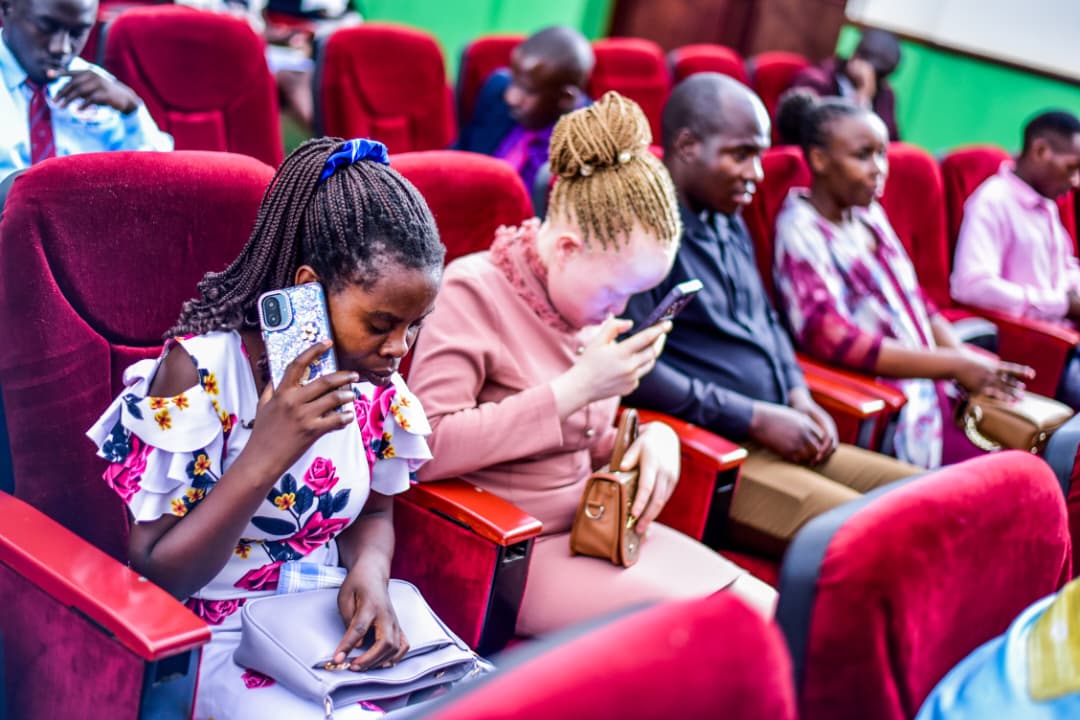
“Every Makererean has a duty to care for another.” This was the message that resonated throughout Makerere University’s commemoration of the International Day of Persons with Disabilities, held on Thursday, November 5, at the University’s Main Hall. Under the theme “From Legislation to Action: Strengthening Disability Inclusion Through Effective Policy Implementation in Higher Education,” the event brought together university administrators, disability advocates, students and other stakeholders to reflect on the progress made in creating an inclusive learning environment. Beyond celebrating persons with disabilities, the commemoration provided an opportunity to recognise the university’s institutional efforts towards ensuring that disability does not become a barrier to education, employment, participation or personal development.
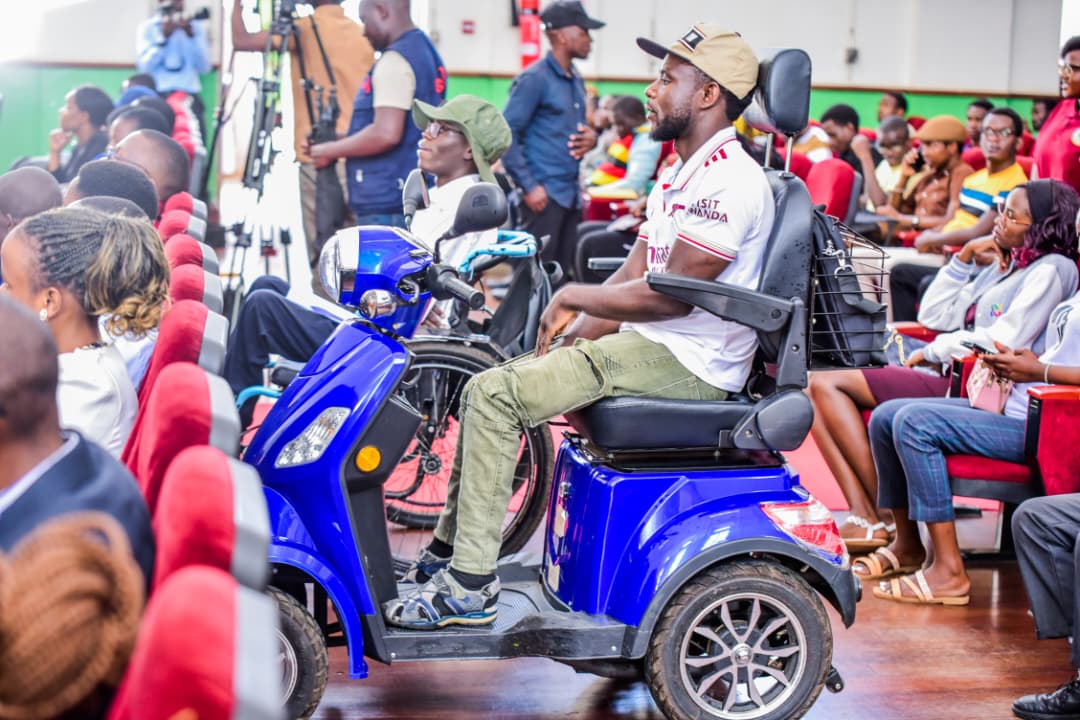
While moderating the panel discussion, Dr. Zaharah Nampewo, Deputy Dean of Makerere University School of Law, emphasised the importance of seeing individuals beyond their disabilities. She drew attention to the University’s Disability Policy, which establishes its commitment to providing equal opportunities for students and staff to access education and employment. According to figures presented during the event, Makerere has 147 students with disabilities, representing approximately 0.5 per cent of its student population. While the figure highlights the relatively small proportion of students with disabilities within the university community, it also underscores the importance of deliberate interventions to ensure that their educational experiences are not limited by inaccessible infrastructure, inadequate support systems or social attitudes. The discussion challenged the university community to move beyond defining people by their conditions and instead recognise their abilities, aspirations, contributions and potential.
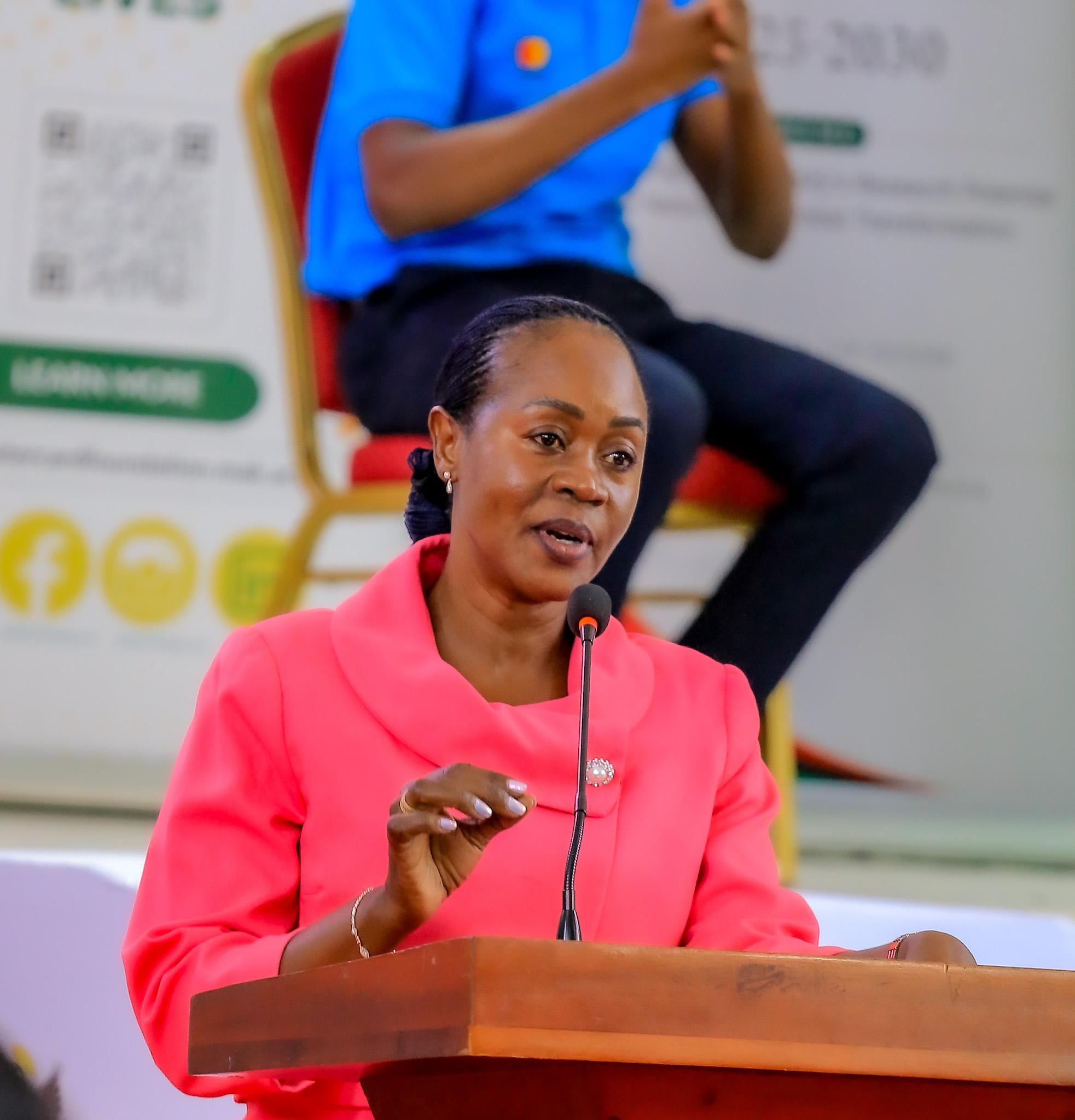
The Dean of Students reaffirmed the University’s commitment to supporting one another, creating a safe environment and advocating for equal opportunities. She highlighted several interventions undertaken by the university to translate its disability policy into practical action. Among these are efforts to improve the accessibility and safety of university facilities, including lavatories and accommodation facilities, alongside the provision of caregivers to support students with disabilities and facilitate their accommodation and treatment. The university has also invested in accessible pathways, ramps and elevators to improve mobility across campus. A significant milestone highlighted was the establishment of a fully equipped and functional Disability Support Centre, fitted with specialised equipment to support learners with different disabilities. Beyond the physical environment, Makerere has encouraged students with disabilities to participate in adaptive sports, with some going on to win accolades and represent the university. Importantly, inclusion has also extended into student governance. Students with disabilities participate in the Students’ Guild structures through representation at Guild House, hall, college and University Council levels, including ministerial representation. These initiatives demonstrate that inclusion is not simply about allowing persons with disabilities into university spaces. It is about creating an environment in which they can learn, participate, lead and contribute meaningfully.
Every Makererean has a duty to care for another.
Dr. Winfred Kabumburi- Dean of Students, Makerere University
The keynote address was delivered by the Lord Mayor of Kampala, Eng\. Ronald Balimwezo Nsubuga, who commended Makerere University for its continued support towards students with disabilities. He challenged students to reject the perception that persons with disabilities are burdens or charity cases. Instead, he encouraged them to recognise their potential to become leaders, entrepreneurs, teachers, doctors, artists and professionals across different fields.
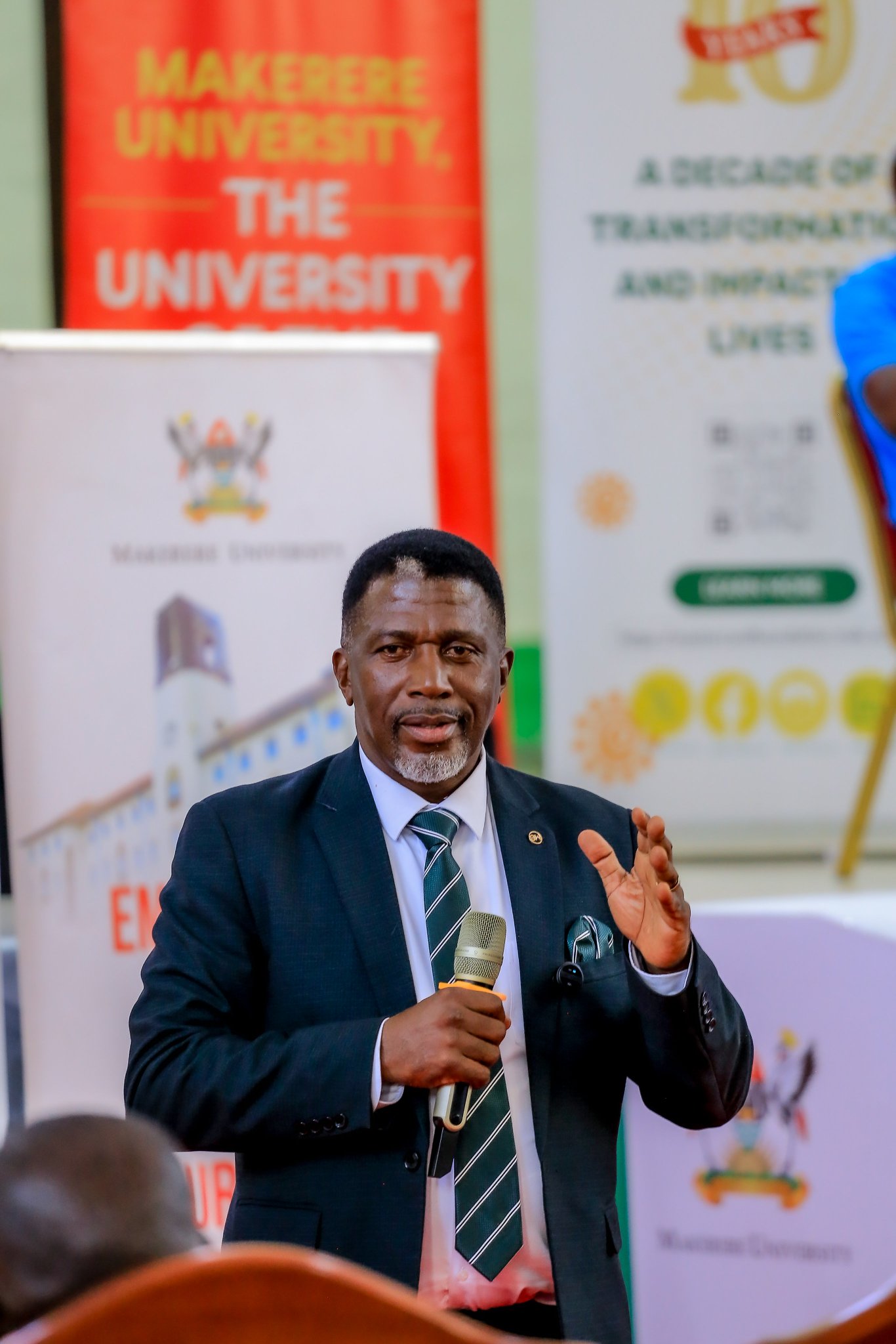
His message was one of confidence, possibility and personal responsibility, reminding the audience that persons with disabilities have an important role to play in the development of their communities. He further encouraged students to maintain a positive mindset and pursue their ambitions beyond the limitations imposed by societal perceptions and inaccessible environments. The message reinforced an important principle: disability should never be used to determine the value, ability or contribution of an individual.
Recognising the Champions of Inclusion
The ceremony concluded with the recognition of individuals whose contributions have supported disability inclusion and the welfare of persons with disabilities at Makerere University.
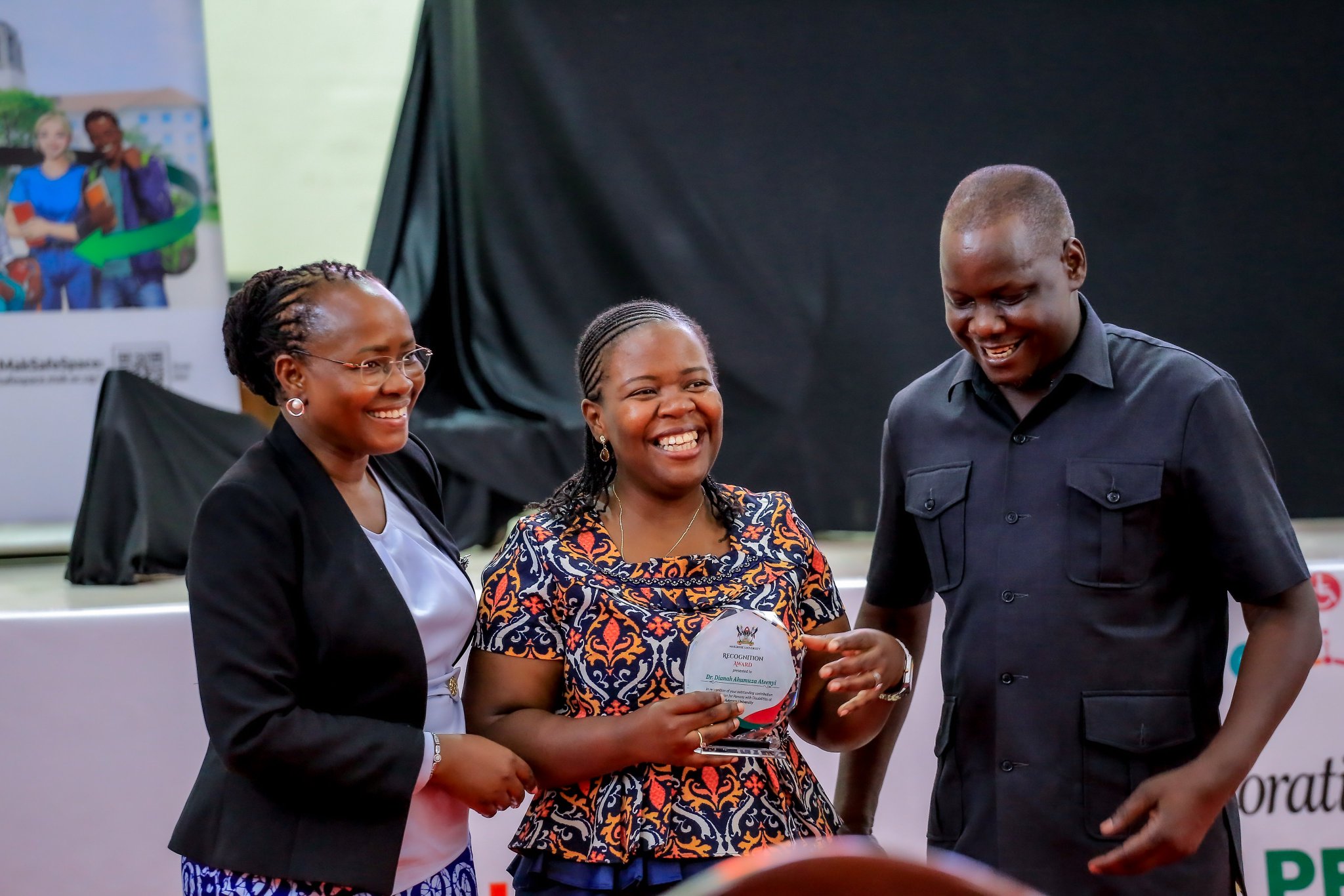
Mr. Anguzu Kizito– recognised for his continued contributions to disability inclusion\. Miss Catherine Nakibuka – Chairperson, Makerere University Disabled Students Association (MUDSA) Miss Peninah Kabenge – former Dean of Students (Sports) recognised for championing sports for persons with disabilities. Mr. John Chris Ninsiima– Member of the University Council. Dr. Diana Ahumuza Atenyi – recognised for her legal contributions to the Students Affairs Committee. Mr. Timothy Musoke Ssejoba– Chairperson, Students Affairs Committee. Among others
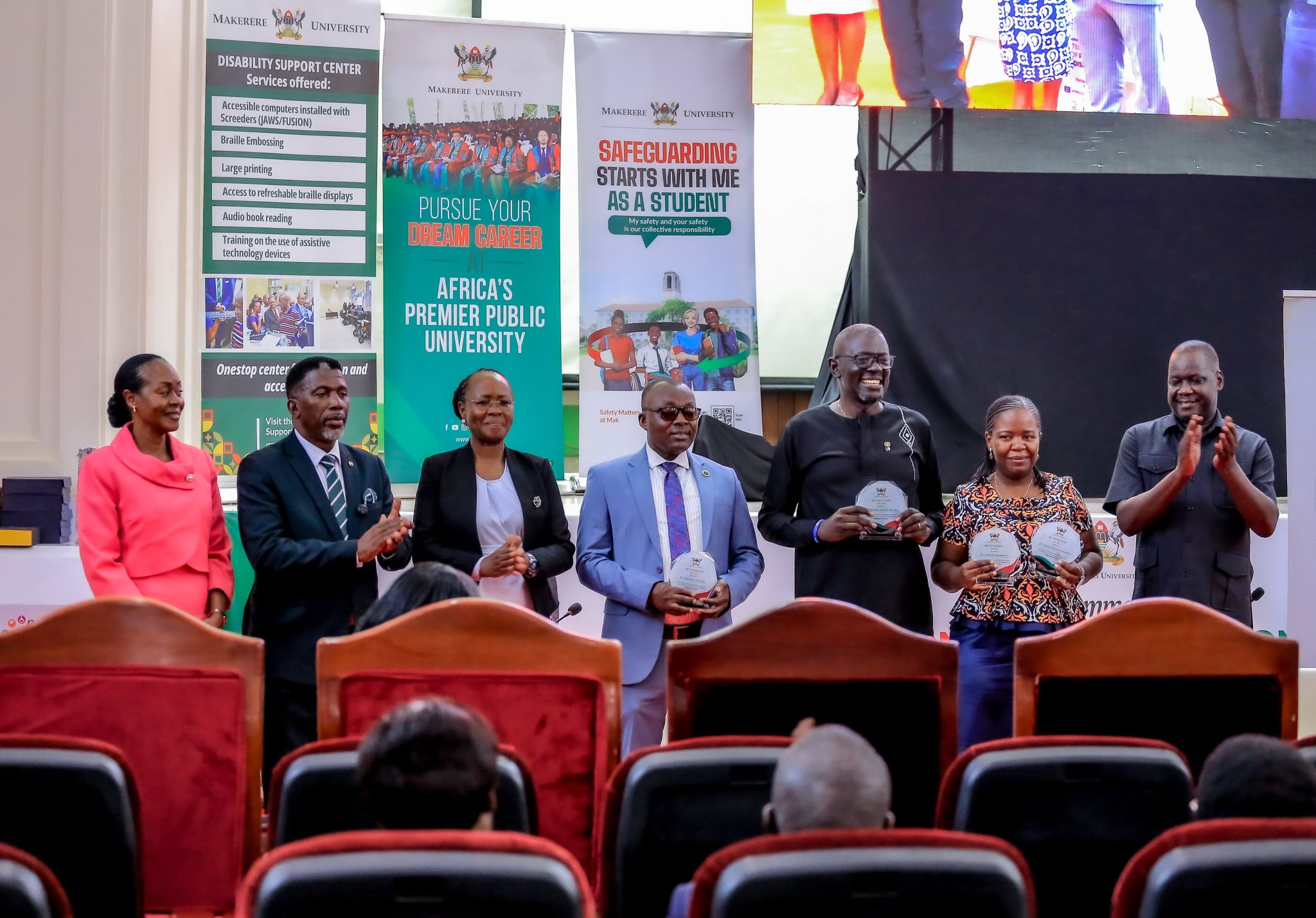
The recognition celebrated the individuals whose efforts have contributed to advancing disability inclusion, representation, sports and student welfare within the university community. Their contributions serve as a reminder that institutional transformation is often sustained by individuals who are willing to challenge barriers and create opportunities for others.
Inclusion Is a Collective Responsibility
Makerere University’s commemoration of the International Day of Persons with Disabilities offered more than an opportunity to celebrate achievements. It was also a reminder that the work of inclusion is continuous. Policies must translate into accessible lecture rooms, accommodation facilities, learning materials, employment opportunities and spaces where every individual can participate without discrimination. While the university has made notable strides through its Disability Support Centre, accessible infrastructure, adaptive sports and representation in leadership structures, the commitment must remain consistent. Ultimately, an inclusive university is not one that simply accommodates persons with disabilities. It is one that recognises their dignity, values their contributions and gives them equal opportunities to thrive.
Keep reading
Comments 0